



The Case of Jessica Aro
26 December 2025
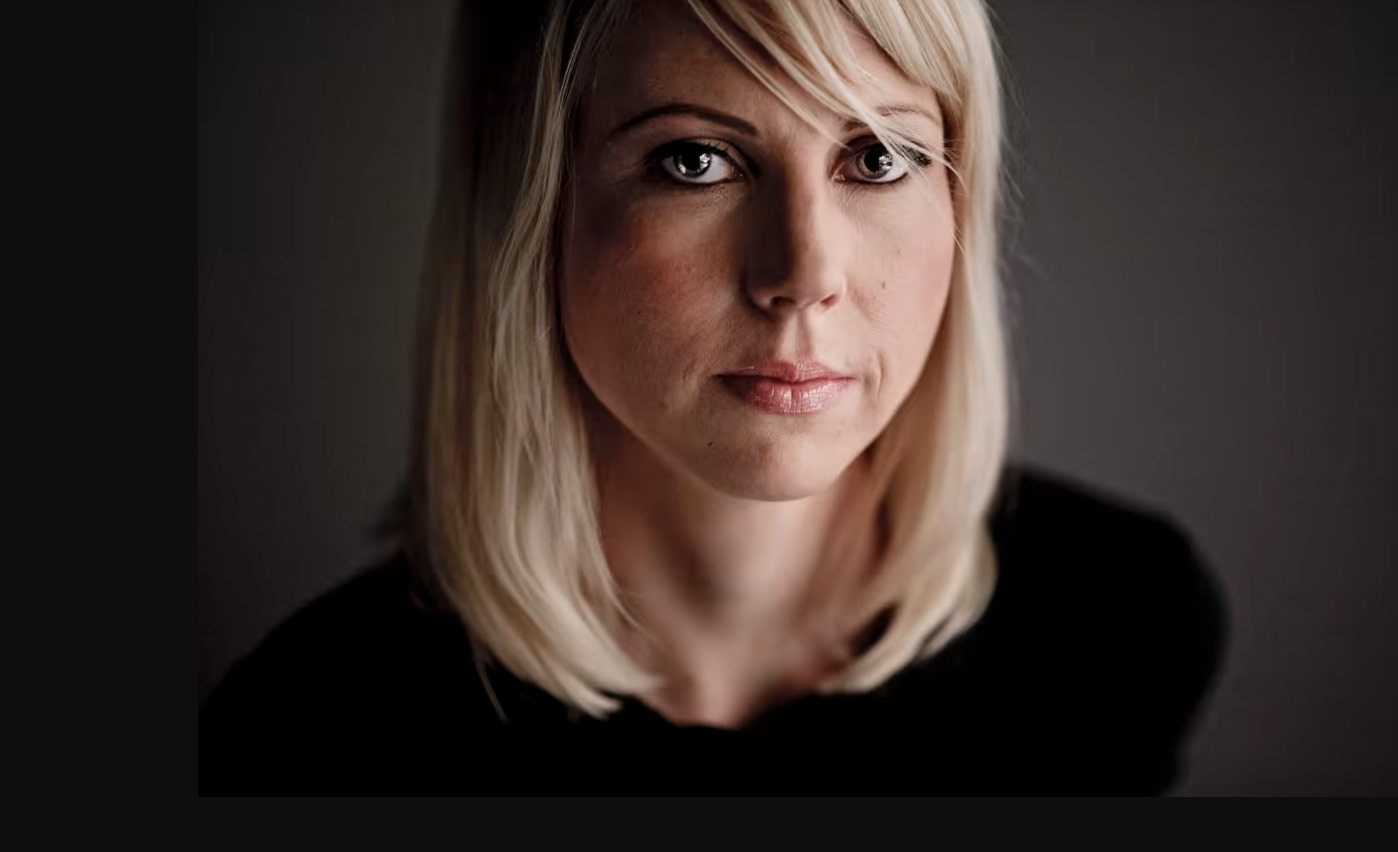
Jessica Aro is a Finnish journalist who worked for the public broadcasting company Yle. In September 2014, she began investigating the activities of pro-Russian internet trolls. As a result, she herself became their target.
After a visit to Saint Petersburg in 2014—where Aro interviewed people working in the so-called “troll factory” involved in spreading disinformation—she encountered a fierce backlash from pro-Russian trolls in Finland. Aro was subjected to sustained psychological harassment, including phone calls, threatening text messages, attempts at public discreditation, and accusations that she was working for foreign intelligence services hostile to Finland.
She became the target of a practice known as doxing—the collection and publication of personal, identifying, and compromising information about an individual, regardless of how old or contextually irrelevant it might be. The trolls caused serious damage to Aro’s life. The lies, intrigues, smear campaigns, and discreditation escalated to the point where some of her former friends began treating her abusively (one stated that she had once been a normal person but had turned into “shit”), while others went so far as to send her death threats. The sole reason for this was a coordinated troll campaign aimed at destroying Jessica Aro.
Aro did not give up. She continued to document the harassment she endured over the following years and to fight the ongoing smear campaign that severely affected her life. For her work, she was awarded Finland’s most prestigious journalism prize, the Bonnier Prize, in 2016.
In January 2019, Aro was announced as a recipient of the International Women of Courage Awards, an international honor presented by the United States and, at that time, ceremonially awarded by First Lady Melania Trump. Shortly before the award ceremony, however, a representative of the U.S. State Department declared that granting the award to Jessica Aro had been a mistake, and the award was withdrawn.
According to Aro and U.S. officials familiar with the case, the reason for the withdrawal was Aro’s criticism of then-President Donald Trump on social media. It is believed that her response to a tweet in which Trump described the media as “corrupt” and “enemies of the people” angered the president and prompted the decision to rescind the award. Aro’s reply to Trump reportedly read:
“The Kremlin doesn’t need troll factories when it has you trolling for them.”
The U.S. Senate Committee on Foreign Relations initiated an investigation into the matter, which concluded in September 2020 that the State Department had provided an unsatisfactory explanation for withdrawing the award.
In October 2018, a court in Helsinki found Ilja Janitskin, Johan Bäckman, and a woman whose name was not disclosed guilty of deliberately and systematically damaging Aro’s reputation. They were convicted of what the court described as an “exceptionally aggravated series of crimes.” Janitskin, the founder of the website MV-Lehti, was sentenced to 22 months in prison for 16 criminal offenses, while Bäckman received a one-year suspended sentence for serious acts aimed at defamation and surveillance. They were also ordered to pay compensation to Aro.
The New York Times described the case as “the first time a European country has taken action against pro-Russian disinformation spread through social media, websites, and news outlets controlled by or linked to Russia.”
The case of Jessica Aro is emblematic of the power of trolls, disinformation, and fake news today—forces capable of destroying human lives and persuading people to believe almost anything that serves the interests of shadowy puppet masters and social engineers operating behind the scenes.
No comments yet. Be the first!