



How Do We “Bug” the Machine?
12 February 2026
Small Stones Overturn the Cart
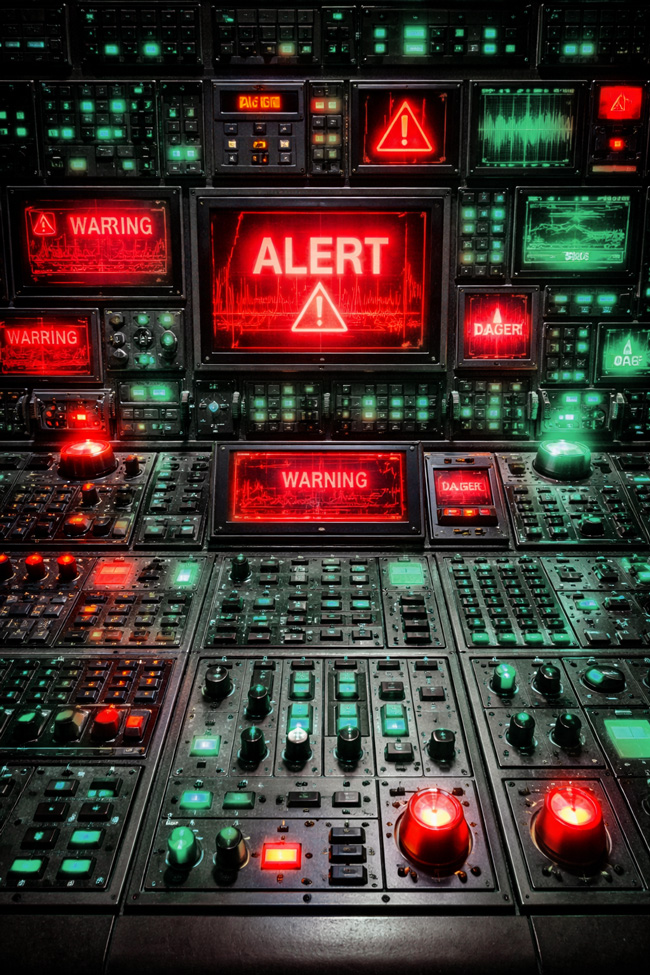
1. The system, in all its aspects and manifestations — including economy, business, society, culture, etc. — is modeled and operates like a machine. It is technocratic in character.
2. Being a machine, the system models people as machines as well, each with a specific function. It ignores the human being as an autonomous conscious subject with an inner life and reduces them to a bio-robot with a designated role.
3. Since a machine consists of different parts that must function in harmony and synchronization, by analogy people are divided into castes and imposed a particular rhythm and way of life according to the caste or function they perform.
4. Due to the above, the system comes into contradiction with the organic nature of life, with the known and unknown factors and forces that shape it. In human beings this manifests primarily as a struggle for autonomy, freedom, justice, and meaning.
5. The system monitors the behavior of individuals, analyzes it, and exerts various types of influence upon them — from advertisements and online recommendations to promotion or dismissal at work, and sometimes even introduction to a “suitable” marriage partner according to social engineering. These interventions must not arouse suspicion of intentional design. Social engineering must be carried out covertly, at least for now, which presupposes the creation of a “matrix” — an imitation of life, of the conditions and society desired by people.
6. Due to the increasingly complex and interconnected, sometimes contradictory mechanisms of the system, even a small problem somewhere may affect broader subsystems, create strong resonance, and disrupt the system’s functioning. The cause of such a problem may be an act — or refusal to comply — even on the part of an ordinary person. This may generate processes that are difficult and costly to manage and suppress. Thus the “noise” in the system increases. Let us not forget that the system is a complex and unstable structure, because it consists of organic human beings at different levels embedded within an inorganic matrix.
7. An individual’s resistance to the system’s influences may lead to a decline in the value of the various instrumental methods and approaches of control; it may affect the value of their “shares.” Then bubbles burst — inflated by unrealistic expectations about the effectiveness of these methods. Conflicts develop, mutual accusations and justifications, frictions and struggles emerge, revealing the predatory nature of systemic agents, who may turn against one another. A “Domino Effect” occurs and the “Matrix” begins to tear apart. The upper echelon may split into rival camps.
8. System functionaries call this “chaos,” but in fact it is precisely then that people have the greatest freedom and opportunity to influence the system in a more humane direction. Such a state is a “window” for changing course toward more human ideals to replace technocratic ones. Only the failure of technocratic methods can lead to the re-humanization of the system — when the vacuum produced by that failure is filled not with new methods, but with values and principles.
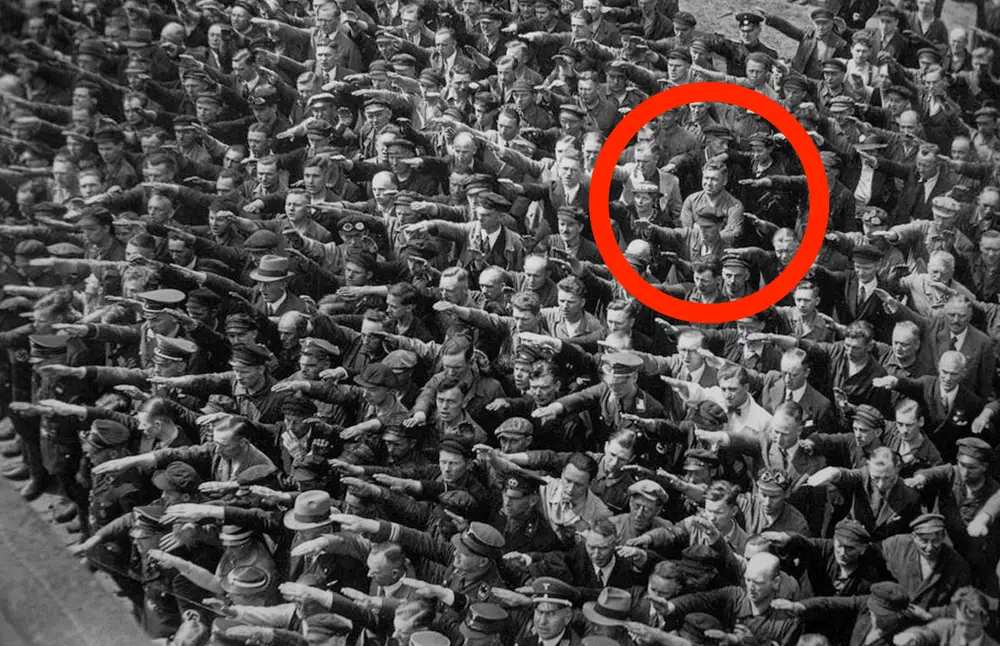
9. That is why the actions of the individual, the “small” person, are of enormous significance. They may be the “snowflake” that triggers the avalanche leading to “creative destruction.” For this purpose, people must inform themselves about the goals, nature, and techniques of the system, as well as about the essence of those who work for it. Without illusions. Only then will a public consciousness be formed that will clog this technocratic and anti-human system with numerous problems and cause it to stall — a system serving the elites’ obsession with power.
No comments yet. Be the first!